
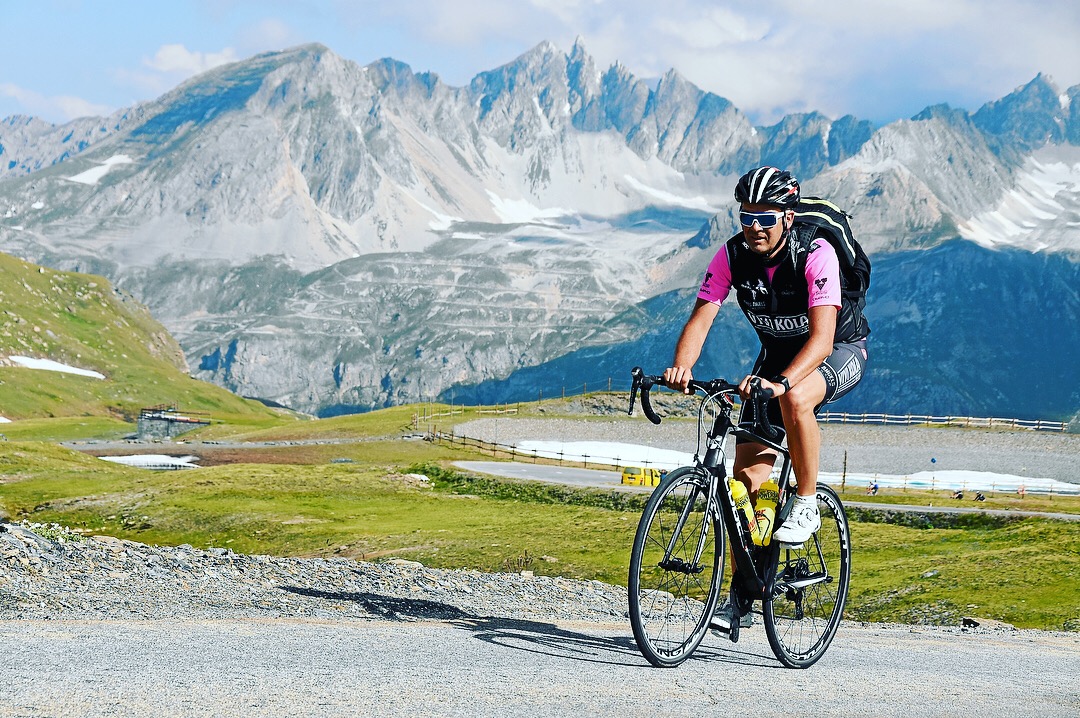
Self-Guided Cycling in Switzerland: How to Plan the Perfect Trip
Self-guided cycling lets you ride Switzerland's legendary passes at your own pace. Here is how to plan routes, choose a base, organise luggage transport and decide between guided and self-guided.
Self-guided cycling is one of the best ways to experience Switzerland. You get the freedom to ride at your own pace, stop wherever the views demand it, and structure each day around your own ambitions — all while someone else handles the logistics behind the scenes. After 30 years riding these roads, here is how I help cyclists plan a self-guided trip that feels effortless.
What "self-guided" actually means
On a self-guided tour you ride independently, but nothing is left to chance. Before you arrive, you receive detailed GPX files, route notes, pre-booked cyclist-friendly hotels and a daily plan. Your luggage is transported between hotels, so you ride with nothing more than a saddlebag. The difference from a fully guided tour is simply that you are not accompanied on the road — the planning and support are just as thorough.
How GPX files make it easy
Modern GPS head units and phones turn navigation into a non-issue. Every route I plan comes as a GPX file you can load onto a Garmin, Wahoo or your phone. Turn-by-turn directions mean you never stop to second-guess a junction, and you can preview each day's climbing and distance in advance. This is what makes self-guided riding in a foreign country genuinely relaxing rather than stressful.
Choosing a base
There are two ways to structure a self-guided trip. A point-to-point tour moves you to a new hotel each night with your luggage following along — ideal for covering a lot of ground, such as our one-week road cycling tour. A single-base trip keeps you in one town with daily loop rides, which suits riders who prefer to unpack once. Valleys like the Engadin or the Goms are perfect single bases because several major passes radiate from them.
Organising luggage transport
Luggage transport is the detail that transforms a self-guided trip. Instead of carrying everything on your bike, your bags travel by vehicle to your next hotel. You ride light, climb faster and arrive to find your belongings already waiting. In Switzerland this is straightforward to arrange, and I build it into every itinerary that moves between hotels.
When to go guided vs self-guided
Self-guided suits confident, independent riders who value freedom and a slightly lower cost. Guided tours are better if it is your first time in the Alps, if you want company on the long climbs, or if you would simply enjoy riding with a local who knows every hairpin. Many cyclists choose a blend — self-guided for most days, with me joining for the queen stages. Both options use the same carefully chosen hotels and routes.
When to ride
The high Alpine passes are typically open from June to October. June and September offer quieter roads and cooler climbing, while July and August bring the warmest, most reliable weather. For more on timing, weather and road conditions, read our guide to cycling in Switzerland essentials.
Ready to plan your trip?
Whether you want a point-to-point adventure or a relaxed single base, I can tailor a self-guided route to your fitness and dates. Browse the cycling tours or get in touch to start planning.
Keep Reading
Ready to ride these passes yourself?
Explore our Swiss cycling tours or get in touch to plan a custom trip.
Plan Your Cycling Holiday